


guiding your holistic management practice WITH SAVORY ACCREDITED FIELD PROFESSIONALS
ONLINE COURSE OFFERINGS
Now offered in a self-paced format for only $99
Completion of this course fulfills your Introduction to Holistic Management requirement for those pursuing accreditation with the Savory Institute.
You will also be automatically added to a community space of learners taking this course to share inspiration and ideas, ask questions, and keep growing and learning in the community.
Holistic management is a whole-system decision-making approach that builds capacity, resulting in improved profitability, regenerated soils, enhanced quality of life, increased biodiversity, and resiliency.
By the end of this self-paced course, you will learn principles and tools to empower you to:
Apply the key insights of Holistic Management in context.
Understand the whole you are managing and developing a Holistic Context to guide decisions & actions toward the quality of life you desire for yourself, your family, and/or your business.
Practically address the root causes of problems and assess progress toward your future resource base.
Discover solutions by working with nature and the ecosystem processes to heal poor soils, enhance quality of life, and grow profits.

By following this simple-to-use, cash-based planning process, profits increase and decisions are focused on improving quality of life and enhancing land health and productivity.
Develop an annual financial plan aligning personal, financial, social, and ecological goals.
Discover context relevant strategies and find ways to move toward your desired quality of life and future resource base.
Confidently utilize a proven step-by-step procedure focusing resources on getting out of debt and generating profits in a regenerative way.
Increasing profitability of enterprises for the least effort and the most amount of joy.
The holistic financial planning course focuses on building capacity and profitability through a cash-based financial plan. In this course, participants build out their own financial model using customizable financial worksheets that simultaneously align personal, financial, social, and ecological goals and clearly define profit potential within each enterprise of their business.
We do this by looking at each individual enterprise to understand the true costs of operation of each individual effort to build profit as a baseline. A holistic financial planning framework is a vital component of any holistic system and is especially powerful when designed in coordination with land planning, holistic decision-making. and grazing planning. These planning principles and resources help make informed decisions to ensure a flourishing and prosperous operation.
Suggested fee is $499, but we are offering more of a pay-what-you-can structure starting at $99 USD to allow for greater accessibility to the session. If you are able to pay above the suggested fee, think of this additional amount as an investment in individuals as they grow through regenerative education and practices.
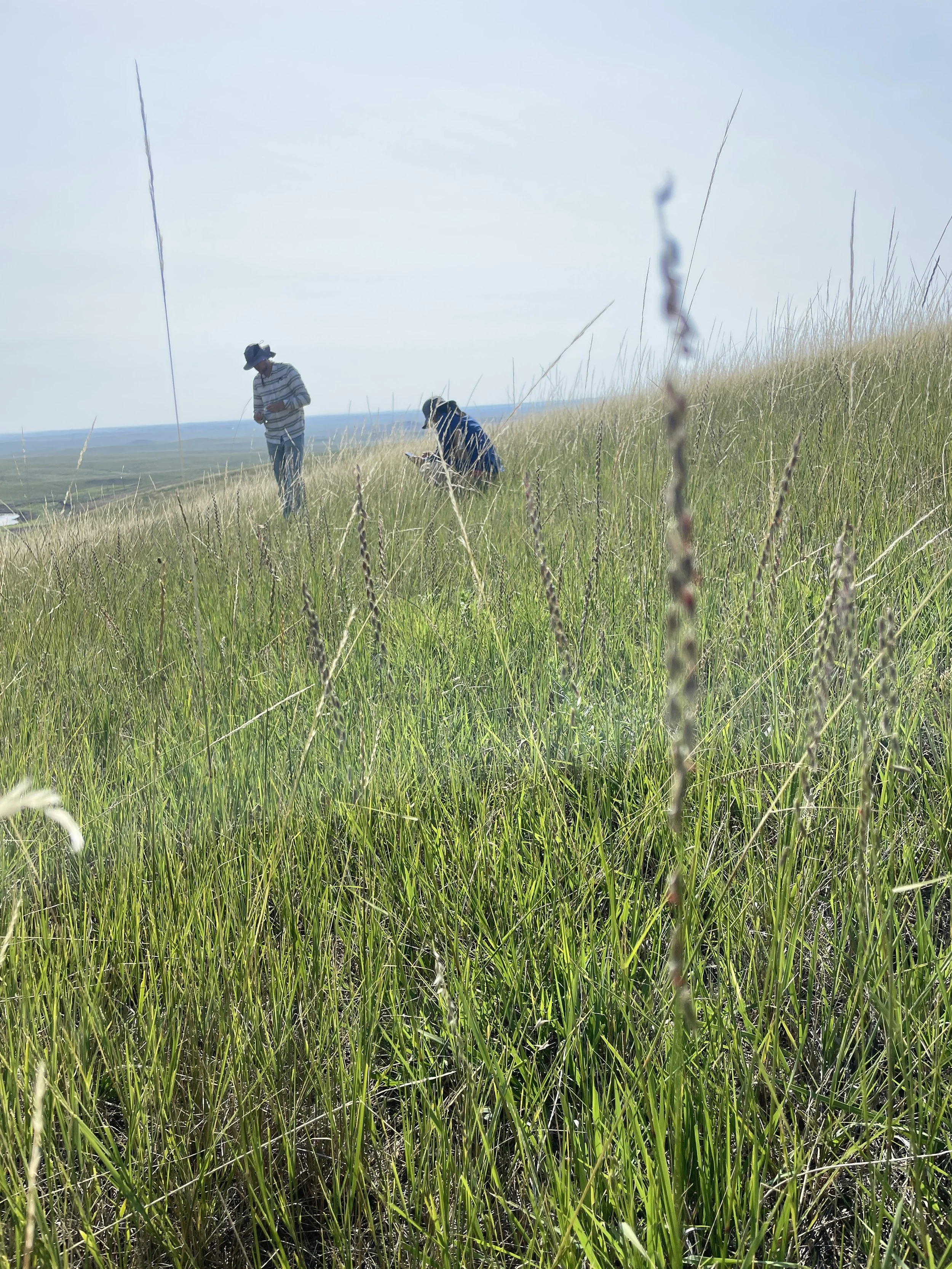
Monitoring is a key skill for ensuring that your decisions have regenerative outcomes on the land. Monitoring skills are used informally every day and more formally every year to track the progress of your land base across ecosystem processes.
Holistic Ecological Monitoring enables you to gather relevant information to keep your management on track and to see trends in your Ecological Health Index over time. Learning to monitor the land for the earliest signs of change enables you to quickly adapt your management to move toward your desired future resource base.
By the end of this course, you will learn principles and tools to empower you to:
Monitor land for the earliest signs of change to keep management on course and track specific measures over time to ensure movement toward your future resource base.
Gather relevant information to keep your management on track and see trends over time.
Gain experience in the field observing signs of change.
Learn how to complete the Savory formal short-term monitoring and become proficient enough to monitor land.
Uncover the causes of deviations from a plan, find the reasons behind distortions of ecosystem function, and create data-driven strategies to move toward your desired future resource base.
Suggested fee is $399, but we are offering more of a pay-what-you-can structure starting at $99 USD to allow for greater accessibility to the session. If you are able to pay above the suggested fee, think of this additional amount as an investment in individuals as they grow through regenerative education and practices.

Consider new fencing layouts that minimize the number of water points, providing greater flexibility in implementing grazing planning and more options for improving animal performance.
Anticipate the facilities needed as animal numbers and herd sizes increase, and thus avoid costly redesigns in the future.
Learn the Holistic Land Planning process by working through an example provided or by developing your own holistic land plan.
Holistic land planning is one of the least understood yet most important aspects of Holistic Management. Allan Savory once said, “if you go home and immediately build a fence, then you haven’t understood me.”
Understanding the long-term goals of a land base and anticipating long—and short-term infrastructure and improvement plans requires many factors, including money, time, timing, and resources, to come together in a way that creates the highest impact on our land, livestock, livelihood, and quality of life.
Developing a Holistic Land Plan allows key decisions to be mapped out in a way that optimizes investment, avoids bad debt, and establishes improvements based on realizing long-term and short-term benefits. In this course, individuals clearly define their ultimate vision for their ranch, farm, rangeland, or landbase and then develop a plan considering natural resource constraints, production goals, animal welfare, wildlife habitat, and labor costs. Using holistic design principles, individuals can build a project management strategy that will provide the most return on investment they reach toward their future land goals while ensuring the continued improvement of their quality of life.
Suggested fee is $399, but we are offering more of a pay-what-you-can structure starting at $99 USD to allow for greater accessibility to the session. If you are able to pay above the suggested fee, think of this additional amount as an investment in individuals as they grow through regenerative education and practices.
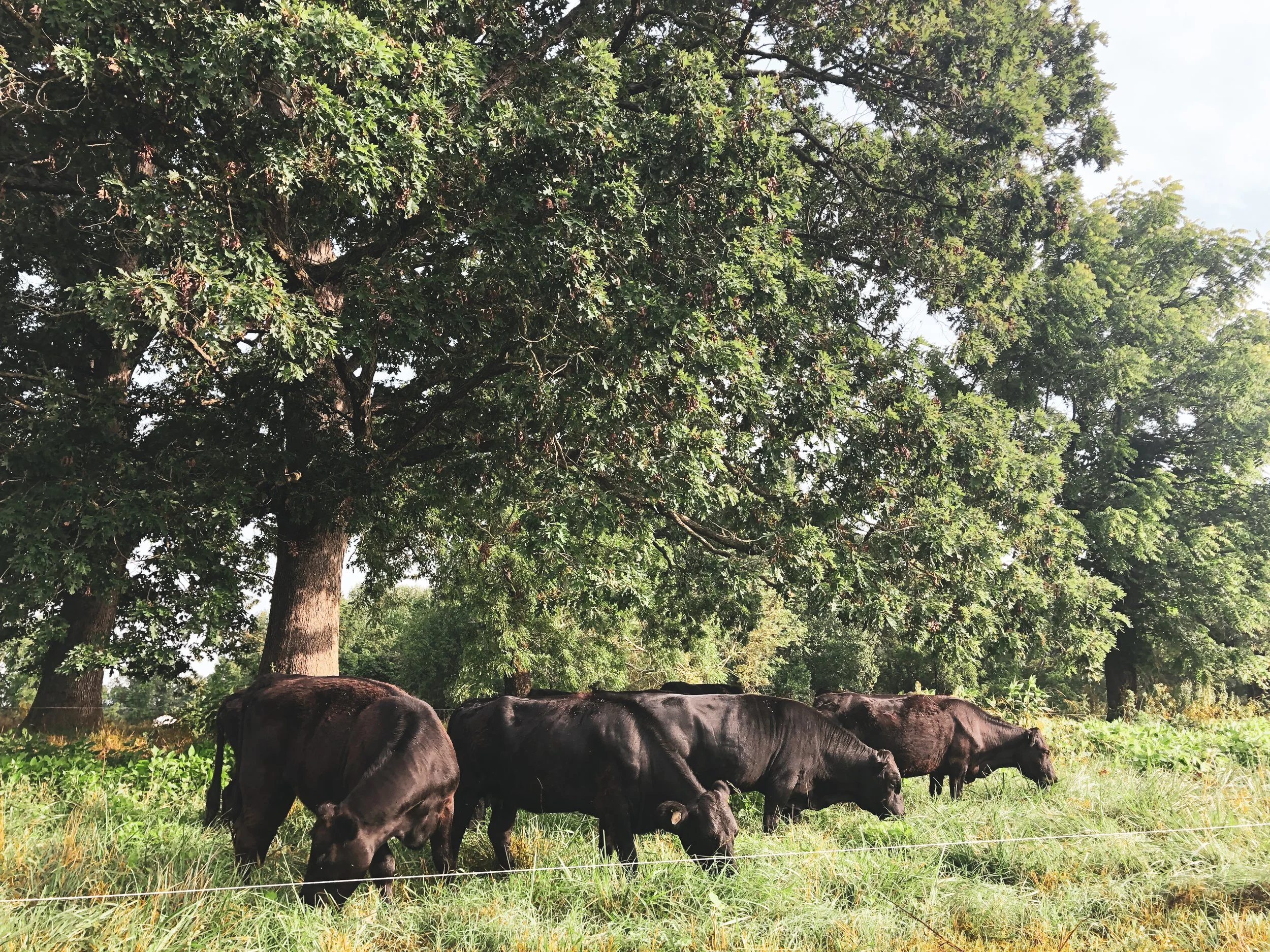
Holistic planned grazing caters to many variables commonly left out of grazing planning, such as erratic weather, wildlife needs, and time with family. Holistic Planned Grazing uses concepts that mimic nature to reduce the need for costly inputs and can increase plant biodiversity and density.
You will learn the step-by-step process using the aide memoire to plan your grazing to enhance your environment, financial well-being, and quality of life.
By the end of this course, you will learn tools to empower you to:
Manage livestock grazing so that animals stay healthy and productive while increasing the biological capital that will improve your quality of life and sustain your livelihood for generations to come.
Reduce the need for costly inputs.
Create, implement, and monitor the Open/Growing season plan.
Create, implement, and monitor the Closed/Non-Growing season plan.
Monitor the welfare of your animals through husbandry concepts such as dung and body scores.
Read the land to implement Holistic principles to increase productivity, profits, stocking rates, and crop yields while improving livestock health, enhancing plant density and biodiversity, and mitigating floods, fires, drought, and climate change.
The integration of livestock with land regeneration is the foundation of holistic grazing. Holistic Planned Grazing helps ensure that the right type of livestock are in the right place, at the right time, for the right reasons and with the right behavior.
The UVE Holistic Grazing Planning course focuses on developing comprehensive plans for managing the complex relationships between livestock, crop production, forage growth cycles, social considerations and wildlife habitat in a way that ensures ongoing land regeneration, animal health and welfare, and profitability.
During the course, participants work alongside UVE Guild experts to identify objectives for timing and duration in relation to grazing cycles coupled with adequate plant recovery periods. Through careful timing of grazing, analysis of stocking rates related to forage availability, and assessment of growing and non-growing season timeframes, we can effectively decrease bare ground and increase the mass of plants year over year. In doing so, we increase the availability of forage over time, increase carbon sequestration by keeping active root growth beneath the soil surface, and enhance biodiversity by creating an integrated relationship between grazers and wildlife.
Suggested fee is $499, but we are offering more of a pay-what-you-can structure starting at $99 USD to allow for greater accessibility to the session. If you are able to pay above the suggested fee, think of this additional amount as an investment in individuals as they grow through regenerative education and practices.

UVE Replay Bundle – Learn on Your Own Time, Rooted in Practice
Missed one of our live online classes? We’ve bundled them all into one place so you can learn at your own pace and revisit key ideas whenever it’s needed.
The UVE Replay Bundle gives you access to the full library of our online course replays—from foundational frameworks to applied tools in holistic management and regenerative practice. Whether you're deepening your work as a land steward, rancher, policy shaper, or simply curious about what regeneration looks like in action, this bundle meets you where you are.
These are the same live-taught sessions—just on your schedule.
Why the Replay Bundle:
Learn when it works for you
Revisit the frameworks and tools anytime
Explore the full arc of holistic management in one place
This is about more than watching replays—it’s about building a regenerative foundation, one intentional step at a time.
If you are able to pay above the suggested fee, think of this additional amount as an investment in individuals as they grow through regenerative education and practices.
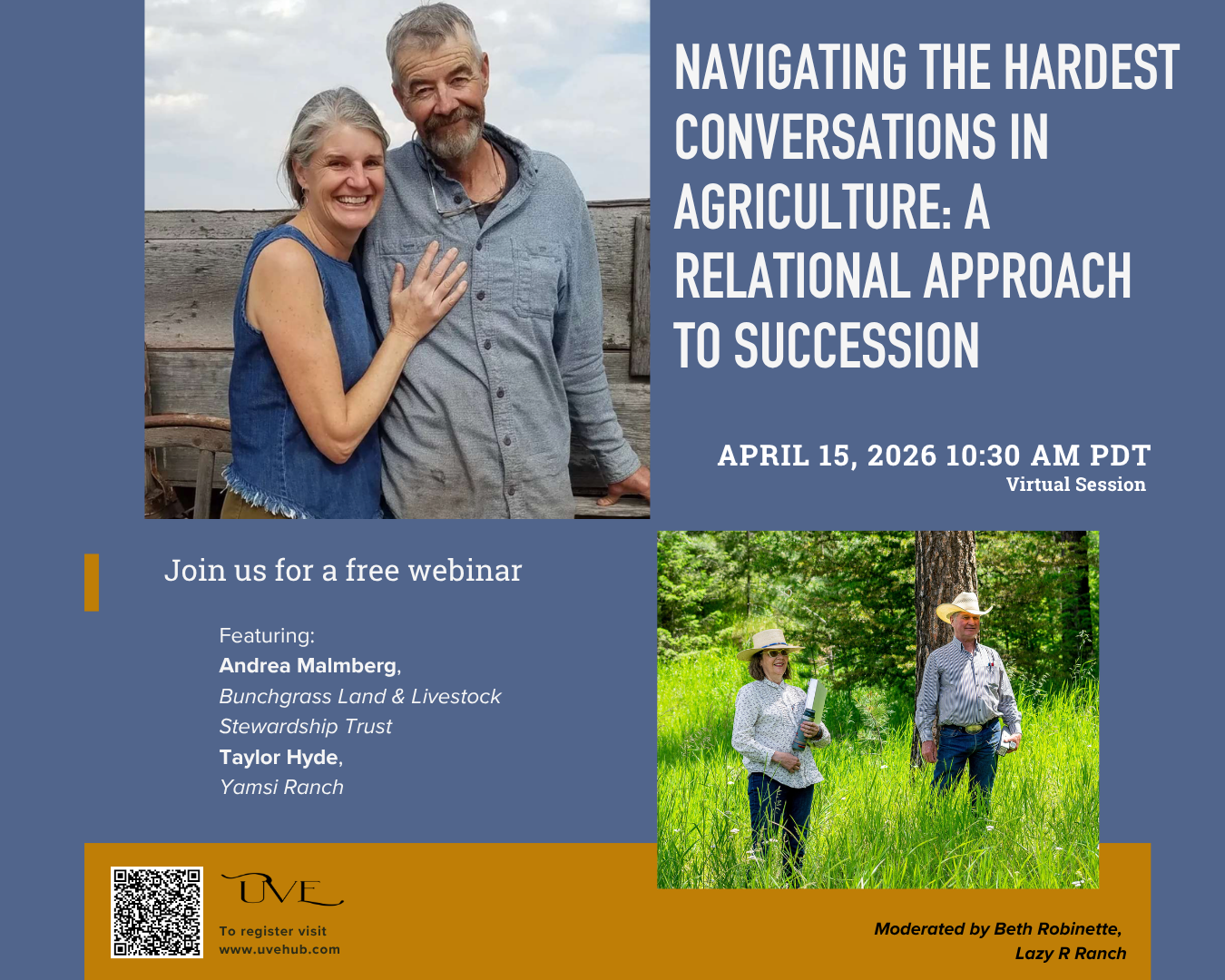
FREE Webinar: Navigating the Hardest Conversations in Agriculture: A Relational Approach to Succession
Across farms, ranches, and land-based organizations, succession is often the conversation everyone knows they need to have—but few know how to begin. When these conversations do start, they often don’t go according to plan. Ownership, leadership, legacy, livelihood, and family relationships are deeply intertwined.
This webinar explores a relational approach to succession planning—one that addresses the financial and legal realities of transition while also making space for the emotional side of the process. We’ll share practical frameworks for navigating difficult conversations, aligning around shared values, and creating a path forward that supports both people and land. Hear from UVE guides and clients about what approaches are working.
Featuring:
Andrea Malmberg, Bunchgrass Land & Livestock Stewardship Trust
Taylor Hyde, Yamsi Ranch
With moderator Beth Robinette

LIVE: VIRTUAL CLASS - Holistic planned Grazing (4 class series)
Holistic planned grazing caters to many variables commonly left out of grazing planning, such as erratic weather, wildlife needs, and time with family. Holistic Planned Grazing uses concepts that mimic nature to reduce the need for costly inputs and can increase plant biodiversity and density.
You will learn the step-by-step process using the aide memoire to plan your grazing to enhance your environment, financial well-being, and quality of life.

LIVE: VIRTUAL CLASS - Holistic Land Planning (3 week series)
Holistic land planning is one of the least understood yet most important aspects of Holistic Management. Allan Savory once said, “if you go home and immediately build a fence, then you haven’t understood me.”
Understanding the long-term goals of a land base and anticipating long—and short-term infrastructure and improvement plans requires many factors, including money, time, timing, and resources, to come together in a way that creates the highest impact on our land, livestock, livelihood, and quality of life.

LIVE: VIRTUAL CLASS - Holistic Management Foundations (3 week series)
Holistic Management is a proven management and decision making process that enables producers to maximize their livestock operations while simultaneously minimizing costs, improving land and animal health, and increasing wildlife and ecosystem services. Whether you are a curious individual wanting to enhance your quality of life and well being through holistic decision-making or a land steward wanting to maximize stocking rates for optimal ecological system functions, this intro course is your first step.
Complete this intro course to take future online courses to further your Holistic Management knowledge.

WEBINAR - equine impact panel: rethinking myths surrounding horses and grassland health
Join Us for a free webinar: Equine Impact Panel: Rethinking Myths Surrounding Horses and Grassland Health
Are horses really bad for grasslands? Join us for a powerful and myth-busting conversation that brings together two dynamic leaders in regenerative grazing. Gavin, a holistic grazier from New South Wales, Australia, has spent 25 years restoring over 6,500 acres through cell-grazing and holistic management of horses, sheep, and cattle. As founder of Serum Australis, he’s proving that horses can not only coexist with healthy grasslands—but help rejuvenate them. He’ll be joined by Meg Greski, a regenerative agriculture educator and multi-talented rancher from western Oklahoma. With experience in 43 U.S. states and a résumé ranging from ranch bronc rider to educator for the Oklahoma Conservation Commission, Meg runs Eleven Fifteen Livestock, grazing cattle, goats, and horses. Her work has been featured in Stockman Grass Farmer, Acres USA, OnPasture.com, and the Working Cows Podcast. Don’t miss this rare opportunity to hear Gavin and Meg share insights, stories, and science that challenge old assumptions and offer new hope for the future of horses and land stewardship.
There will also be a Q&A session for those joining us live. Register to get early access to the recording.

Ecological outcome verification (eov) monitor training - in person
Join us for a transformative, hands-on training experience designed to equip you with the skills and knowledge to effectively monitor land health using the Ecological Outcome Verification (EOV) protocol. Hosted by UVE and guided by accredited Savory Hub Verifiers and Field Professionals, this comprehensive course empowers you to track and assess key ecological indicators that drive sustainable land management.
What: EOV Monitor Training
When: July 16-19, 2025 – Training begins at 1 pm on July 16, followed by three full days
Where: Yellowbird Commons, Fort Bidwell, California
Cost: $1750 for the full EOV Monitoring Course, including online + field training (Prerequisite course cost not included)

roots of resilience’s new cowgirl camp
This is an immersive 5-day experience that combines classroom and hands on learning.
Everything you wanted to know about ranching but didn’t know who to ask
Maybe you have been dreaming of a career in agriculture, but you did not grow up in a farming or ranching family. It can be hard to know where to start. At New Cowgirl Camp you will be learning from lifelong ranchers and seasoned professionals. No question is too basic or too advanced.
Cowgirl Camp curriculum includes:
Basic farm skills, fencing, and facilities
Animal husbandry and low-stress animal handling techniques
Planning grazing to maximize ecological benefit
Assessing pasture health
Managing your farm or ranch for resilience
Relationship building
Farm business management
Leadership and creating positive change
Working in the field of agriculture and seeking opportunities

Holistic Planned Grazing & Ecological Monitoring
By adopting good grazing practices, you can increase grass productivity, profits, stocking rates, and crop yields. You can improve livestock health, increase biodiversity, and even mitigate floods, drought, and climate change. Learning to monitor the land for the earliest signs of change enables you to adapt your management quickly.
Complete both sets of coursework (4 courses) to become qualified as an Accredited Professional

WEBINAR - beyond bale grazing: optimizing dormant season supplemental feeding for livestock performance and soil health
Join Us for a free webinar: Beyond Bale Grazing: Optimizing Dormant Season Supplemental Feeding for Livestock Performance and Soil Health.
As many of us prepare to buy and/or grow hay this year, we invite you to join our two panelists, Brian Alexander aka the Red Hills Rancher from Sun City Kansas and Cameron King of King Farms Land and Cattle of Malin, Oregon for a deep dive into everything related to feeding and growing winter supplementation regeneratively.
Brian and Cameron have two very different contexts, operations, and a wide array of expertise to share. We’ll explore the principles and practices each has used to maximise their investments in winter feeding supplementation to regenerate soils and maintain high-quality cattle all year. Brian will also discuss how hay fits into his mine reclamation project.
There will also be a Q&A session for those joining us live. Register to get early access to the recording.

WEBINAR - LET’S COMMIT TO NO MORE SWEEPING PROBLEMS UNDER THE RUG: DESIGNING HOLISTIC POLICY WITH ANDREA MALMBERG
When I was a kid, I once swept the dirt I was supposed to clean up under the rug. I got caught and that decision made my life a bunch more difficult because my action violated the trust others had in me. As a consensus navigator, community organizer, entreprenuer, and curious citizen intrigued with civic life, I have come to realize that we need to design policies to actually diagnose and address the root cause of problems, instead of, well sweeping them under the rug. You see, as a kid I didn't understand the purpose of having a clean house beyond it just looking good. Out of sight, out of mind. Join the UVE crew for a facilitated discussion on how we can use the Holistic Management Framework to solve problems, create structures, and improve communication on how to achieve the desired outcomes we want in our homes, businesses, organizations communities, and governance.
🔑 What You'll Learn: How to design policies rooted in the Holistic Management Framework The key elements of aligning policy with your holistic context Strategies for ensuring decisions lead to long-term ecological, social, and financial well-being Practical examples of transformative policy design from Andrea's extensive field experience 💡 Why Attend? Whether you're a land steward, organizational leader, community advocate, or an elected official, this webinar will introduce you to the tools to create policies that truly serve your vision, values, and context. 🎙️ Let's design policies that are as regenerative as the landscapes we steward.

WEBINAR - regenerative riparian grazing with tony malmberg
From Ridgetop to River, Headwaters to Mouth The water cycle begins where the raindrop hits the earth. In the grasslands of the world the managers job is to slow the flow. Get the raindrop into the soil mantle, grow more forage, recharge springs and aquifers, and hot season flow of rivers. Healing the river begins at the green line, width/depth ratio, bed elevation, vegetation and woody species. Vegetation provides habitat for fish diets and as sinuosity evolves, we see pools and riffles develop providing for fish passage, refuge, and spawning. Rivers connected to the flood plains filter high flow waters and provide lateral bank storage increasing production and are drought resistant. Grazing provides a critical and necessary tool to sustain rivers, with attention to early spring grazing and fall rest being pillars to the grazing plan.

WEBINAR || Social Justice & regenerative agriculture - Building resilience through diversity
Join us for a vital conversation on the relationship between social justice and regenerative agriculture in our upcoming community webinar. This discussion will dive deep into how embracing diversity—across age, race, gender, sexuality, and socioeconomic background—can strengthen the resilience of our land management systems. Diversity is key to stability in natural systems, and this truth applies just as much to our human communities. However, when we look at the current cohort of land managers, it is evident that much more work is needed to ensure our communities reflect the diversity necessary for rue resilience. This webinar will feature a powerful story from one ranch where a thoughtful study of its historical roots led to pathways for healing, reconciliation, and greater inclusivity in their land stewardship practices.
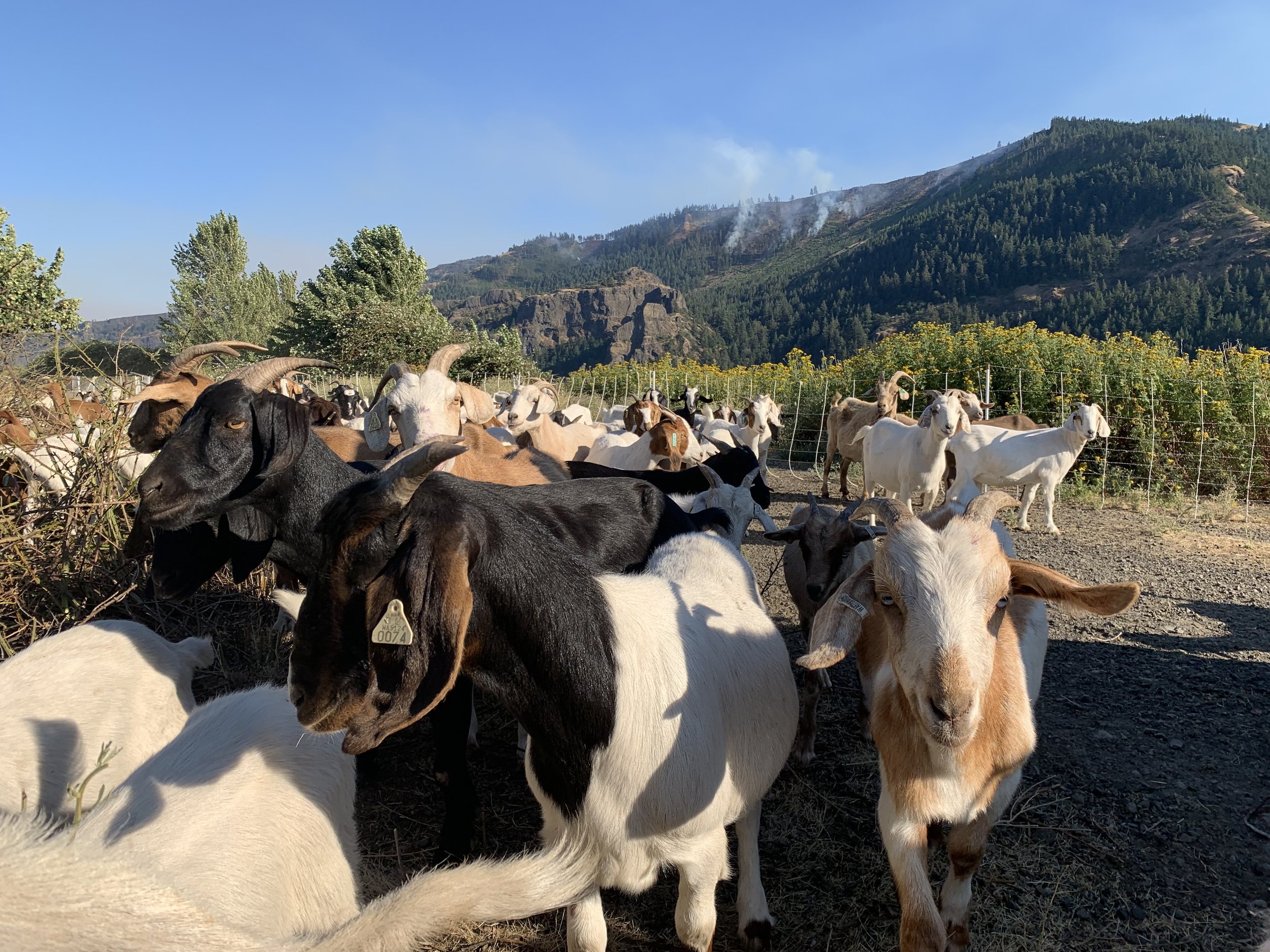
WEBINAR - ecosystem service Grazing Panel
Three Perspectives on Building a Climate Resilient Business with Small Ruminants

Holistic Planned Grazing & Ecological Monitoring - online series
By adopting good grazing practices, you can increase grass productivity, profits, stocking rates, and crop yields. You can improve livestock health, increase biodiversity, and even mitigate floods, drought, and climate change. Learning to monitor the land for the earliest signs of change enables you to adapt your management quickly.
Complete both sets of coursework (4 courses) to become qualified as an Accredited Professional

Realizing True Wealth through Holistic Financial & land Planning - online Series
By following a simple-to-use, cash-based planning process, you can increase your profit while making decisions that improve your quality of life and land health, and productivity. By creating a long-term infrastructure development plan you can generate enduring wealth from the land.
Complete both sets of coursework (4 courses) to become qualified as an Accredited Professional

Holistic Financial Planning & Holistic Land Planning
By following a simple-to-use, cash-based planning process, you can increase your profit while making decisions that improve your quality of life and land health, and productivity. By creating a long-term infrastructure development plan you can generate enduring wealth from the land.
Complete both sets of coursework (4 courses) to become qualified as an Accredited Professional

Realizing True Wealth through Holistic Land & Financial plannING
By following a simple-to-use, cash-based planning process, you can increase your profit while making decisions that improve your quality of life and land health, and productivity. By creating a long-term infrastructure development plan you can generate enduring wealth from the land.
Complete both sets of coursework (4 courses) to become qualified as an Accredited Professional
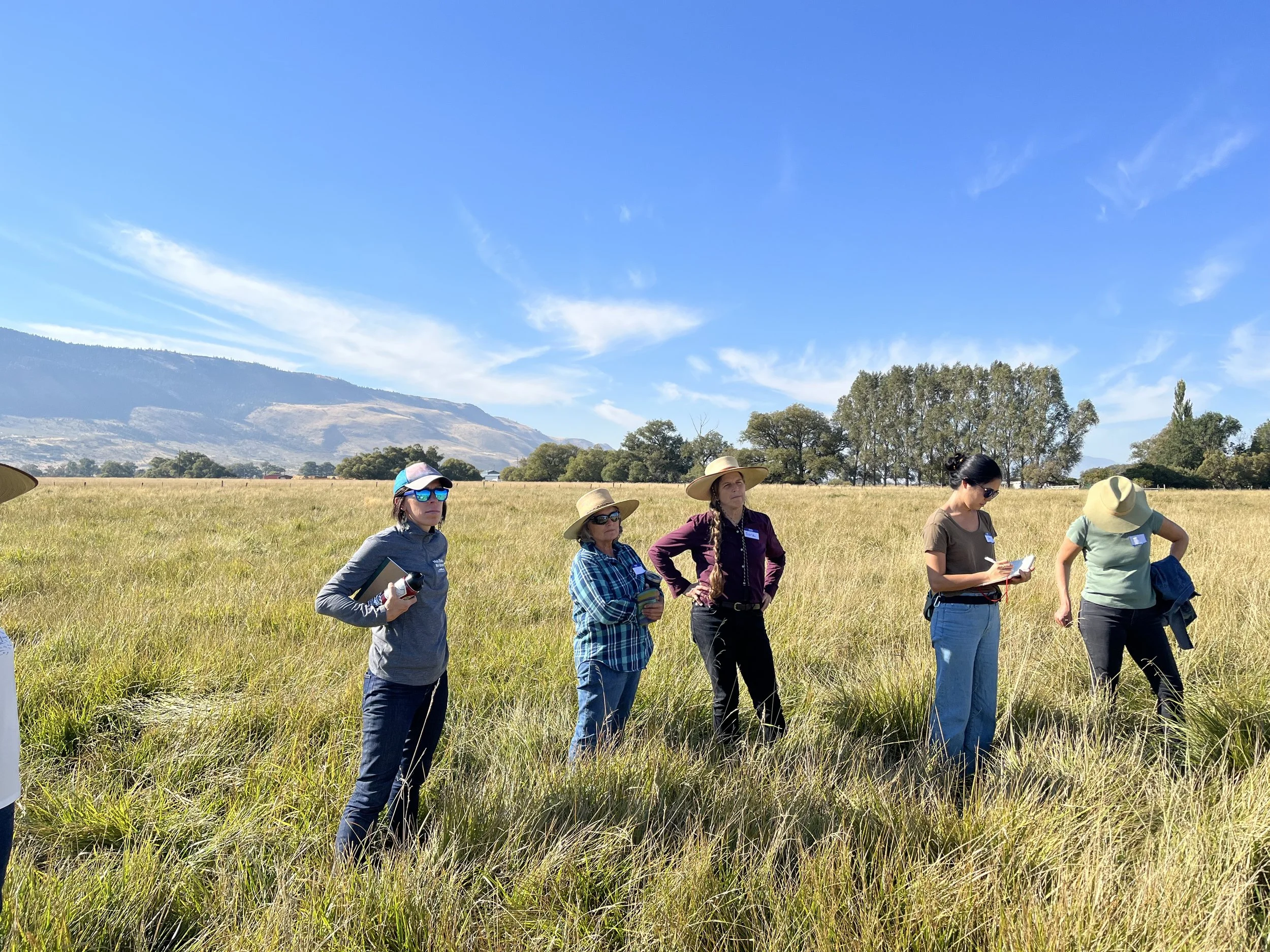
Holistic Planned Grazing & Holistic Ecological Monitoring
By adopting good grazing practices, you can increase grass productivity, profits, stocking rates, and crop yields. You can improve livestock health, increase biodiversity, and even mitigate floods, drought, and climate change. Learning to monitor the land for the earliest signs of change enables you to adapt your management quickly.
Complete both sets of coursework (4 courses) to become qualified as an Accredited Professional
DISCOVER MORE WAYS TO LEARN…
Choose the best path for your training journey

Online Courses Offered Through the Savory Institute

In-Person Courses At the UVE Learning Site

Holistic Context Design Course Through the UVE App
Help facilitate the large-scale regeneration of the world’s grasslands, and the livelihoods of their inhabitants, through Holistic Management
We understand that the cost of attending courses can be a barrier. Therefore, we have put in place three ways for people to overcome the financial constraints of learning Holistic Management.
We offer online courses that are less expensive, one does not incur the cost of travel, and the timing is flexible, so one doesn't have to take time off of work, be away from home, and can fulfill obligations to care for others.
We offer payment plans.
We accept applications for financial assistance, particularly from those who have been systematically marginalized from land access, livestock ownership, and other ways to build equity.
UVE exists so that pastoralists, marginalized rural communities, and ecosystem functions are re-paired, flourishing, and prosperous. Most of the questions in this application ask you to share more about yourself, why you want to attend an UVE course, and what you bring to the table. Some of the questions in this application are meant to help us ensure that we continue to improve diversity, equity, and inclusion in our programming. Those questions are optional; you are not required to enter a response. If you have suggestions or resources you would like to share, please email us here: andrea@uvehub.com.